

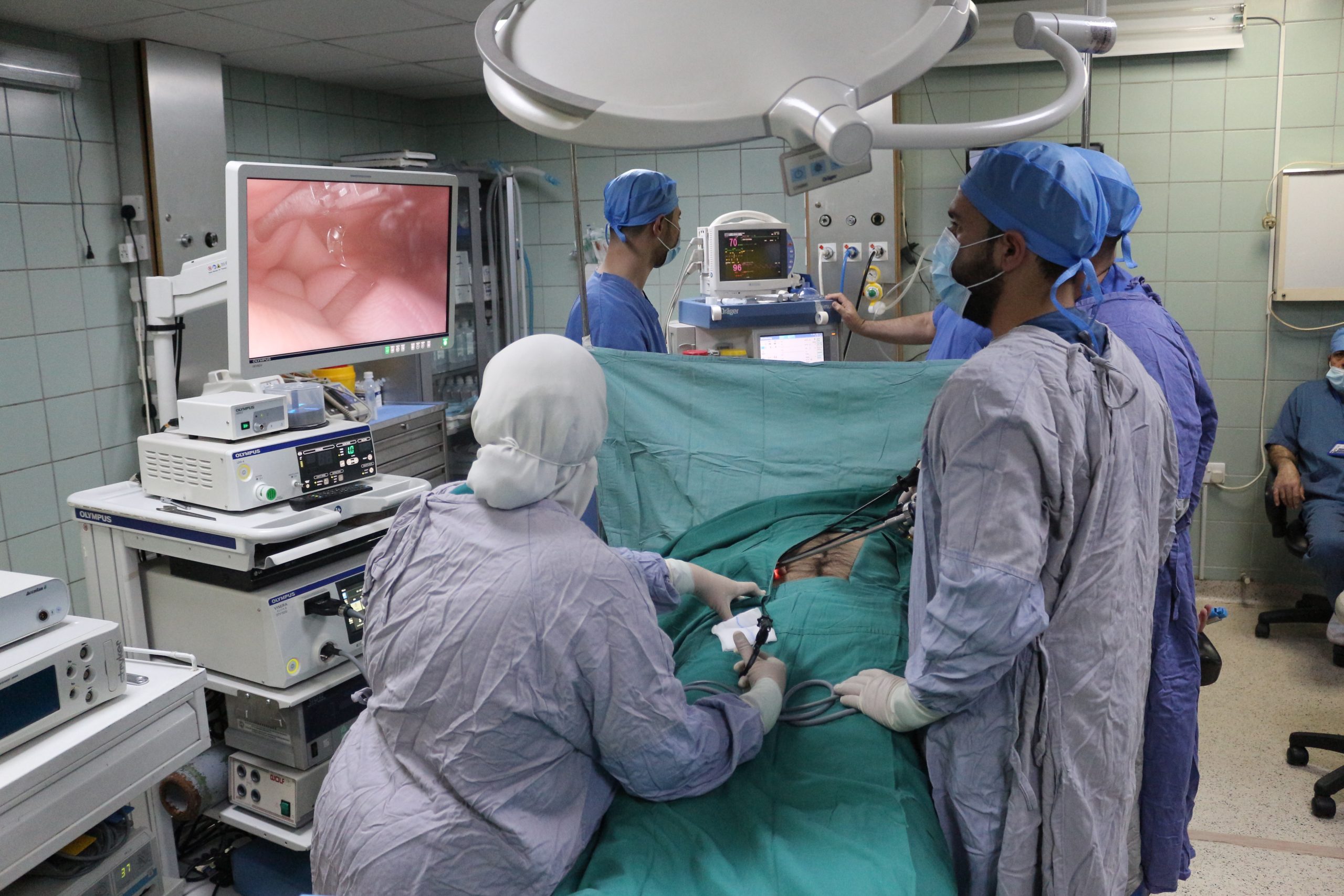
A colonoscopy in Amman is one of the most useful tests for checking the health of your large bowel, finding the cause of symptoms such as bleeding and helping prevent colorectal cancer. Many people feel nervous about the test, especially the bowel preparation, but knowing what to expect makes it much easier. This guide explains why a colonoscopy is done, how to prepare step by step, what happens on the day and how results are shared.
A colonoscopy is a test in which a doctor uses a thin, flexible tube with a camera to look inside the colon and rectum. It is used to investigate symptoms and to screen for colorectal cancer, which leading guidance recommends for adults aged 45 to 75. Polyps can usually be removed during the same test, and sedation helps you stay comfortable.
What Is a Colonoscopy?
During a colonoscopy, a specialist gently passes a colonoscope through the anus into the rectum and along the colon. The camera sends images to a screen so the doctor can examine the lining in detail.
What the Doctor Looks For
The doctor checks for inflammation, bleeding points, ulcers, narrowing, polyps and signs of cancer. Small tissue samples (biopsies) can be taken for testing in the laboratory.
Diagnostic and Treatment Tool
A colonoscopy is not only a test. The doctor can remove polyps and treat some sources of bleeding during the same procedure, often saving you a separate operation.
Why Is a Colonoscopy Done?
1. Colorectal Cancer Screening
The U.S. Preventive Services Task Force recommends colorectal cancer screening for all adults aged 45 to 75. For people aged 76 to 85, the decision is made individually. When a screening colonoscopy is normal, it is generally repeated every 10 years. Your doctor may advise starting earlier or testing more often if you have a family history of colorectal cancer or polyps, or certain bowel conditions.
2. Investigating Symptoms
A colonoscopy can help find the cause of bowel symptoms, such as:
- ✅ Blood in the stool or bleeding from the rectum.
- ✅ A lasting change in bowel habits, such as diarrhea or constipation.
- ✅ Ongoing abdominal pain or bloating.
- ✅ Unexplained weight loss or iron-deficiency anemia.
3. Follow-Up of Known Conditions
People with previous polyps or inflammatory bowel disease may need regular colonoscopies to monitor their condition.
Colonoscopy Preparation: Step by Step
Good bowel preparation is the key to a clear, accurate colonoscopy. Always follow the written instructions from your own doctor, as plans vary.
Step 1: Review Your Medicines
Tell your doctor about all medicines and supplements, especially blood thinners, aspirin, diabetes medicines and iron. You may be asked to pause some of them for a short time.
Step 2: Switch to Clear Liquids
You will usually follow a clear-liquid diet for a day or more before the test. Suitable options include water, broth, plain tea or coffee without milk, gelatin and pulp-free juices. Avoid red or purple drinks if advised.
Step 3: Take the Bowel Prep
Most people drink a liquid laxative the evening before and the morning of the test. Expect frequent diarrhea, so stay close to a bathroom. It is important to finish the prep completely.
Step 4: Plan Your Ride Home
Because of sedation, you should not drive after the test. Arrange for someone to take you home.
What Happens During a Colonoscopy?
Sedation for Comfort
Medicine is given through a drip (IV) to help you relax and avoid feeling pain. Many people remember little of the procedure.
During the Procedure
You lie on your side while the doctor gently guides the colonoscope through the bowel. The colon is gently inflated to give a clearer view, which can cause some cramping or bloating. A colonoscopy usually takes less than one hour.
Polyps and Biopsies
Polyps are small growths on the lining of the colon. Most are harmless, but most colon cancers begin as a polyp, so removing polyps early may help prevent cancer. Polyps are usually removed during the colonoscopy, and biopsies can be taken at the same time without pain. The samples are sent to the laboratory for examination.
After the Colonoscopy: Recovery, Results and Risks
Recovery
You will rest for a short time while the sedation wears off. Mild cramping or bloating is common at first, and light bleeding can be normal after a polyp removal or biopsy. Most people return to their usual diet the next day.
Getting Your Results
The doctor may share initial findings soon after the test. If biopsies were taken, results can take a few days or longer, and your doctor will explain them and any next steps.
Risks of Colonoscopy
Colonoscopy is generally safe, but like any procedure it carries some risks. The most common complications are bleeding and perforation (a tear in the bowel wall), both of which are uncommon. Bleeding can sometimes appear up to two weeks after the procedure.
When to Seek Medical Help After a Colonoscopy
- ✅ Severe abdominal pain.
- ✅ Fever.
- ✅ Bloody stools that do not stop, or heavy bleeding.
- ✅ Dizziness or weakness.
If you notice any of these, contact your doctor or go to the emergency department right away.
Upper Endoscopy vs Colonoscopy
An upper endoscopy (gastroscopy) examines the esophagus, stomach and the first part of the small intestine (duodenum) through the mouth. A colonoscopy examines the colon and rectum.
For an upper endoscopy, you usually stop eating and drinking for several hours beforehand, with no bowel prep. A colonoscopy needs a clear-liquid diet and laxatives. Sometimes both tests are done during the same session.
How to Choose an Endoscopy Center in Amman
1. A Dedicated Endoscopy Department
Choose a hospital with a specialized endoscopy unit that performs both upper and lower endoscopy.
2. Clear Preparation Instructions
Good centers give you written, easy-to-follow bowel prep instructions and are available to answer questions.
3. Hospital Backup
Access to a laboratory, surgical team and 24-hour emergency care adds safety if anything unexpected happens. Learn more in our article on general surgery and emergencies and our guide to choosing a hospital in Jordan.
Colonoscopy at Dr. Ahmad Hamaideh General Hospital
Dr. Ahmad Hamaideh General Hospital is a private general hospital in Amman, Jordan, established in 1996. Its endoscopy department provides upper endoscopy (gastroscopy), colonoscopy, bronchoscopy and other endoscopic procedures. The hospital also has a laboratory, a general surgery service and an emergency department that receives emergency cases 24 hours a day. See the full list of medical services, and contact the hospital team for preparation instructions and appointments.
Key Facts About Colorectal Cancer and Colonoscopy
- According to the World Health Organization, colorectal cancer is the third most common cancer worldwide and the second leading cause of cancer-related deaths, with an estimated 1.9 million new cases and more than 900,000 deaths in 2022.
- The U.S. Preventive Services Task Force recommends colorectal cancer screening for all adults aged 45 to 75.
- According to the U.S. National Institute of Diabetes and Digestive and Kidney Diseases (NIDDK), bleeding occurs in about 15 out of every 10,000 colonoscopies and perforation in about 3 out of every 10,000.
Frequently Asked Questions About Colonoscopy
1. Is a colonoscopy painful?
Most people feel little or no pain because sedation is given. Some mild cramping or bloating afterward is common and passes quickly.
2. At what age should I have a screening colonoscopy?
Screening is recommended for adults aged 45 to 75. People with a family history or certain bowel conditions may need to start earlier, so ask your doctor.
3. How long does a colonoscopy take?
The procedure usually takes less than one hour, plus time to prepare and recover from sedation.
4. Can I drive after a colonoscopy?
No. Sedation needs time to wear off, so arrange for someone to drive you home.
5. What happens if a polyp is found?
It is usually removed during the same test and sent to the laboratory. Your doctor will explain the result and when you need your next colonoscopy.
Book Your Colonoscopy in Amman
If you have bowel symptoms or have reached screening age, talk to a doctor about a colonoscopy. Contact Dr. Ahmad Hamaideh General Hospital to ask about the endoscopy department and arrange your appointment.
This article is for general awareness and does not replace a consultation with a doctor.
📞 Call: +962 6 478 5555
💬 WhatsApp: +962 79 005 9089